










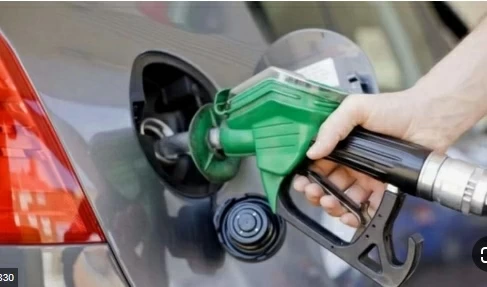
وتعد المناطق الجنوبية وشبه جزيرة القرم الأكثر تضرراً، إذ قفزت أسعار الوقود هناك بما يصل إلى أربعة أو خمسة أضعاف، فيما أوقفت بعض المحطات بيع الوقود للأفراد والشركات، وفرضت السلطات قيوداً على النقل العام واستهلاك الكهرباء.
وبحسب التقارير، التي شملت عدداً من المناطق الروسية، فرضت السلطات سقوفاً لكميات الوقود المسموح بشرائها، راوحت بين 20 و60 لتراً للمركبة الواحدة، كما حظرت تعبئة العبوات المحمولة للحد من عمليات التخزين والشراء بدافع الذعر.
ورغم التحسن النسبي في توافر الوقود في موسكو وبعض المناطق الوسطى بفضل زيادة الواردات والسماح باستخدام أنواع وقود منخفضة الجودة، لا تزال القيود المفروضة على المبيعات قائمة في أجزاء واسعة من روسيا، خصوصاً في مناطق الفولجا وسيبيريا.
The southern regions and the Crimean Peninsula are the most affected, with fuel prices there jumping by up to four or five times, while some stations have stopped selling fuel to individuals and businesses, and authorities have imposed restrictions on public transport and electricity consumption.
According to reports covering several Russian regions, authorities have imposed limits on the amount of fuel that can be purchased, ranging from 20 to 60 liters per vehicle, and have banned the filling of portable containers to curb panic buying and stockpiling.
Despite a relative improvement in fuel availability in Moscow and some central regions due to increased imports and the allowance of lower-quality fuel types, sales restrictions remain in place in large parts of Russia, especially in the Volga and Siberia regions.


التعليقات (0)
لا توجد تعليقات حتى الآن. كن أول من يعلق!
أضف تعليقك