























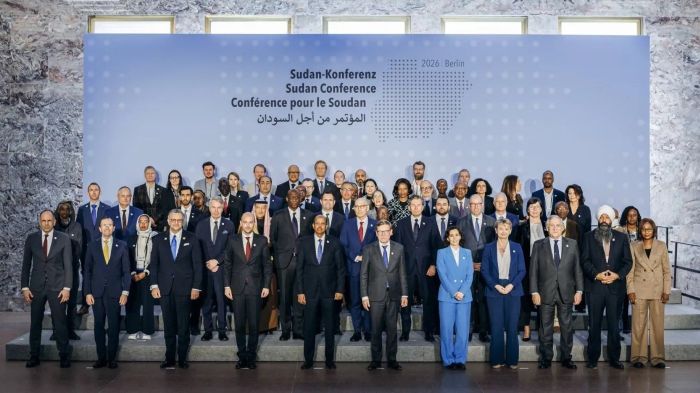
مشاورات أديس أبابا والمسار السياسي السودانيشارك نداء سلام السودان (SPC) في مشاورات أديس أبابا وتابع مجرياتها عن كثب، انطلاقاً من التزامه بدعم الحوار بين السودانيين ومساندة الجهود الرامية إلى إنهاء الحرب وبناء سلام مستدام.
ويثمّن النداء الجهود التي بذلها المنظمون والميسرون والقوى السياسية والمدنية للحفاظ على قنوات التواصل في هذه المرحلة المعقدة.
وتُقدَّم هذه الورقة بوصفها مساهمة بنّاءة تنطلق من التقدم المحرز، مع تسليط الضوء على القضايا التي برزت خلال النقاشات، وتقديم رؤى وأولويات ومقترحات عملية لدعم مسار سياسي يتمتع بملكية سودانية حقيقية، ويعزز فرص إنهاء الحرب والتقدم نحو سلام حقيقي.
ثانياً: تقييم المشاورات وأولويات المرحلة المقبلةينظر نداء سلام السودان إلى مشاورات أديس أبابا باعتبارها خطوة أولى ومهمة ضمن مسار سياسي أوسع.
ورغم أنها لم تحسم جميع القضايا العالقة، فقد أسهمت في الحفاظ على الحوار واستكشاف مجالات التقارب، وسلطت الضوء على تحديات تتطلب معالجة فورية.
الحفاظ على قنوات التواصل والحوار بين أطراف سودانية متنوعة خلال مرحلة بالغة الصعوبة، مقروناً برغبة مشتركة في مواصلة العملية السياسية.
إتاحة المجال لطرح ومناقشة قضايا خلافية مهمة ستتطلب مزيداً من التفاعل في المراحل القادمة.
المحافظة على الزخم نحو عملية سياسية أوسع في وقت تهدد فيه الحرب المستمرة وحالة التشظي السياسي بتقليص فرص الوصول إلى حلول سلمية.
اللجنة التحضيرية السودانية: يحظى إنشاء هذه الآلية باهتمام واسع، شريطة أن تستند إلى تفويض واضح، وإجراءات شفافة، وأن تظل منفتحة على مختلف الفاعلين السياسيين والمدنيين والمجتمعيين.
ويُنتظر أن يظل دورها تحضيرياً وتيسيرياً، بما يدعم الحوار الأوسع ولا يحل محله.
ولا تكمن المسألة في إنشاء الآلية بحد ذاتها، بل في خطر تشكيلها دون قواعد متفق عليها أو تمثيل كافٍ، مما يؤثر سلباً على الثقة فيها منذ البداية.
بناء أرضية سودانية مشتركة: رغم الخلافات، توجد مساحات تفاهم يمكن البناء عليها لتطوير أرضية مشتركة تستند إلى إنهاء الحرب، وحماية المدنيين، والحفاظ على وحدة السودان.
ويتطلب التقدم المستدام الاعتراف بالقضايا محل التباين في الرؤى، حيث إن إتاحة المجال للتوافق والاختلاف البنّاء يسهم في بناء تفاهمات طويلة الأمد أفضل من التعجيل بحسمها قسراً.
نحو عملية سياسية أكثر شمولاً: أصبح واضحاً أن إنهاء الحرب لن يكون كافياً لتحقيق سلام مستدام ما لم يقترن بجهود تعالج الأسباب الجذرية والهيكلية للأزمات.
لذا، يقتضي بناء السلام التعامل مع قضايا المواطنة والعدالة والحكم والعلاقة بين المؤسسات المدنية والعسكرية كجزء أساسي من النقاش حول مستقبل السودان.
اعتبارات داعمة للمصداقية:مواصلة الاهتمام بالشفافية الإجرائية ووضوح قنوات التواصل، بما يعزز الثقة ويقوي الشعور بالملكية المشتركة.
الحفاظ على الملكية السودانية للعملية، مع الاستفادة من الدعم الإقليمي والدولي بما يساند الجهود الوطنية دون أن يحل محلها.
تُشكّل قضايا المساءلة والمصالحة وحقوق الضحايا ركيزة أساسية لأي جهد يهدف إلى منع تكرار دورات العنف مستقبلاً.
تؤكد هذه المعطيات أن العملية السياسية السودانية تقف عند مفترق طرق، حيث يتوقف نجاحها على قدرة الأطراف على تحويل هذا الزخم الأولي إلى آليات عمل ملموسة وجامعة.
ثالثاً: إضاءات للمرحلة المقبلةاستناداً إلى ما تقدم، يوجه نداء سلام السودان النداءات التالية:إلى القوى السياسية والمدنية السودانية:مواصلة البحث عن مجالات التفاهم المشترك لتهيئة أرضية صلبة للمراحل التفاوضية اللاحقة.
توسيع فرص الانخراط مع المجتمعات المتأثرة بالحرب (بما في ذلك النازحون، اللاجئون، النساء، الشباب، والفاعلون المجتمعيون)، مما يعزز شرعية العملية السياسية واستدامتها.
توفير وضوح أكبر بشأن ما تم التوافق عليه وما لا يزال محل تباين، لتعزيز الشفافية وخلق مساحة للحوار حول القضايا غير المحسومة.
إلى الشركاء الإقليميين والدوليين:تعزيز التنسيق الداخلي للحد من تعدد المسارات أو المقاربات المتنافسة التي تعقّد التقدم نحو الحل.
دعم آليات اتخاذ القرار التي يقودها السودانيون لتعزيز الملكية الوطنية واستدامة المخرجات.
تقديم الدعم السياسي والدبلوماسي للجهود التي تربط بين إنهاء الحرب ومعالجة أسبابها الأعمق، لتهيئة ظروف ملاءمة لتحقيق سلام حقيقي.
يُذكّر نداء سلام السودان أطراف الحرب بأن الاستقرار الدائم لا يمكن تحقيقه عبر الوسائل العسكرية.
فالمستقبل المستدام مرتبط حصراً بعملية سياسية تضع مصالح السودانيين في صميم الاهتمام.
لا شرعية تُبنى على ركام المدن المحترقة، ولا سلطة تستقر في بلد يُنزف يومياً.
المطلوب ليس الاستسلام، بل الإدراك أن الطريق الوحيد لأي شرعية مستقبلية يمر عبر طاولة الحوار، لا ساحات المعارك.
ينبغي النظر إلى مشاورات أديس أبابا باعتبارها محطة مهمة ضمن مسار أطول، لا غاية في حد ذاتها.
ويظل نداء سلام السودان ملتزماً بالإسهام في هذه الجهود، ومواصلة دعم الحوار، وإبراز وجهات نظر المجتمعات المتأثرة، والمساهمة في تعزيز سردية وطنية جامعة للسلام.
كما سيواصل تقديم التحليلات والأفكار التي تثري النقاشات حول السبل الكفيلة بإنهاء الحرب والتقدم نحو سلام مستدام يقوده السودانيون أنفسهم.
السادة/ الصحفيون والإعلاميون الكراميسر نداء سلام السودان (SPC) أن يشارككم ورقة موقف حول مشاورات أديس أبابا الأخيرة، تتضمن تقييماً لما تحقق خلال المشاورات، والقضايا التي لا تزال بحاجة إلى مزيد من النقاش، إضافة إلى رؤيته بشأن الخطوات المطلوبة لدعم عملية سياسية سودانية أكثر شمولاً وفاعلية.
نداء سلام السودان مبادرة سودانية مستقلة وغير حزبية تضم شخصيات وأكاديميين وفاعلين من خلفيات متنوعة، وتعمل على دعم الجهود الرامية إلى إنهاء الحرب وتعزيز مسار سلام سوداني يقوده السودانيون أنفسهم، ويستند إلى المشاركة الواسعة ومعالجة جذور الأزمة.
وتسعى المبادرة إلى المساهمة في بناء أرضية وطنية مشتركة تدعم السلام المستدام وتحافظ على وحدة السودان وتماسكهنأمل أن تجدوا في الورقة ما يفيد تغطياتكم وتحليلاتكم، ونرحب بأي استفسارات أو طلبات إضافيةThe Addis Ababa Consultations and the Sudanese Political ProcessSudan Peace Call (SPC) participated in and closely followed the Addis Ababa consultations as part of its core commitment to promoting dialogue among Sudanese and supporting Sudanese-led efforts to end the war and build a just and sustainable peace.
SPC recognizes and appreciates the efforts of the organizers, facilitators, political and civilian actors, and all participants who contributed to maintaining dialogue at a particularly challenging moment for Sudan.
The consultations provided an important opportunity to sustain engagement, identify areas of common ground and differences, and advance discussions on the future direction of the political process.
This paper is offered as a hopefully constructive contribution to the ongoing dialogue.
It builds on the progress achieved through the Addis Ababa consultations by reflecting on key issues that emerged during the discussions and highlighting considerations that may inform future phases of the process.
The paper provides a brief assessment of the consultations, outlines perspectives on priorities for the next phase, and offers suggestions to support a more inclusive, credible, and Sudanese-owned path toward ending the war and advancing a just and sustainable peace.
II.
Reflections on the Addis Ababa ConsultationsSudan Peace Call views the Addis Ababa consultations as an important, though preliminary, step in a broader and complex Sudanese political process.
While the consultations were not expected to resolve all outstanding political questions, they helped sustain dialogue among diverse Sudanese actors, provided an opportunity to explore areas of convergence, and highlighted several issues that may benefit from further attention as the process moves forward.
Preservation of communication and dialogue among diverse Sudanese actors during an exceptionally difficult period, accompanied by a shared commitment to keeping the process moving forward.
The opportunity to clarify and discuss important areas of disagreement that will require further engagement and dialogue in future phases of the process.
Maintenance of momentum toward a broader Sudanese political process at a time when continued war and political fragmentation risk narrowing opportunities for peaceful solutions.
Issues Requiring Further AttentionDifferences regarding inclusivity and participation criteria remained evident, particularly regarding the participation of the National Congress Party and its affiliates.
The consultations helped clarify these differences and underscored the importance of creating space for further dialogue as efforts continue toward a broader Sudanese political process.
Expanding pathways for meaningful engagement with communities most affected by the war, including displaced populations, refugees, women, youth, professional groups, and grassroots actors.
Further clarification regarding the proposed Preparatory Committee, including its mandate, responsibilities, composition, decision-making procedures, and relationship to the broader political process.
Greater clarity on these issues would help strengthen confidence in the committee’s future role as a facilitative and preparatory mechanism.
The consultations highlighted both the opportunities and challenges of advancing a broad Sudanese political process.
They provided a platform to identify key areas of convergence and clarify issues where perspectives still differ, including participation criteria, representation, and mechanisms for engagement.
These discussions underscore the value of continued dialogue among Sudanese stakeholders as efforts move toward a more inclusive and credible political process.
III.
Perspectives on the Next Phase of the Political ProcessThe Addis Ababa consultations represented an initial step in what is likely to be a longer Sudanese political process.
While important differences remain, the discussions also highlighted areas where further engagement may help strengthen confidence, broaden participation, and support the development of a more inclusive political pathway.
Building on the progress achieved so far, several considerations may be particularly relevant as the process moves forward.
Key Priorities for the Next PhaseA Sudanese Preparatory MechanismThe establishment of a Sudanese preparatory mechanism is critical and enjoys broad support, provided it has a clear mandate, transparent responsibilities and procedures, and openness to political, civic, and community actors.
Its role should be preparatory and facilitative, not a substitute for broader political dialogue.
The principal risk lies not in establishing the mechanism itself, but in doing so without agreed rules, a clear mandate, or adequate representation, which could undermine its legitimacy and credibility from the outset.
Building a Shared Sudanese FoundationThe consultations demonstrated that, despite significant differences on a number of political questions, there remain important areas of common understanding among Sudanese actors.
They highlighted the potential to build a shared foundation to end the war, protect civilians, preserve Sudan’s unity, and support an inclusive political process.
At the same time, the consultations demonstrated that sustainable progress requires acknowledging areas of ongoing disagreement rather than papering them over.
Where differing perspectives persist, creating space for both agreement and constructive disagreement may contribute more effectively to long-term consensus than attempts to overlook or prematurely resolve existing differences.
Toward a Broader and More Inclusive Political ProcessThe consultations made clear that broad and meaningful inclusion of Sudanese society is critical to the legitimacy and sustainability of any future political process.
They also demonstrated that ending the war alone will not be sufficient to secure a just and lasting peace unless accompanied by measures that address the root causes and structural drivers of Sudan’s recurring crises.
This requires placing Sudanese society at the center of the solution and engaging with questions of citizenship, justice, governance, and civilian-military relations as integral components of the political process.
Considerations for a Credible and Sustainable ProcessAs discussions continue, several considerations may help inform future phases of the process:Continued attention to procedural transparency, communication, and agreed processes may help strengthen confidence among participants and reinforce a sense of shared ownership.
Sustaining Sudanese ownership of the process remains important, while benefiting from regional and international support that facilitates and accompanies Sudanese efforts rather than substituting for them.
Expanding conducive avenues for participation and consultation would help ensure that the perspectives of communities most affected by the war are reflected in ongoing discussions.
Linking efforts to end the war with a longer-term process for addressing underlying political, governance, and societal challenges may contribute to a more sustainable peace.
Consideration of accountability, reconciliation, and the rights and dignity of victims is likely to remain an important component of any future effort to build lasting peace and prevent renewed cycles of violence.
IV.
Key Reflections and Messages to StakeholdersThe Addis Ababa consultations demonstrated both the opportunities and challenges of advancing a broader Sudanese political process.
Building on the efforts already undertaken by Sudanese political and civilian actors, regional and international partners, and all those committed to ending the war, several areas may merit continued attention as the process moves forward.
To Sudanese Political and Civilian ActorsContinued efforts to identify areas of common understanding may help strengthen confidence and create a stronger foundation for future negotiations and political dialogue.
Broadening opportunities for engagement with communities affected by the war, including displaced populations, refugees, women, youth, professional groups, and grassroots actors, may help reinforce the legitimacy and sustainability of the process.
Greater clarity regarding areas of agreement and disagreement may contribute to a more transparent and credible dialogue, while creating space for continued engagement on issues that remain contested.
The consultations reinforced a message expressed by many Sudanese voices throughout the war: lasting stability cannot be achieved through military means alone.
A sustainable future will require a political process that places the interests of the Sudanese people above military calculations and creates space for peaceful and inclusive solutions.
To Regional and International PartnersGreater coordination among regional and international actors is essential to strengthening the coherence of the political process and reducing opportunities for competing approaches that could complicate progress.
Support for inclusive Sudanese-led dialogue and decision-making processes may help reinforce national ownership and long-term sustainability.
Sustained political and diplomatic support for efforts that connect ending the war with addressing its underlying causes may contribute to a more durable peace.
Conclusion and Sudan Peace Call’s Continued EngagementThe Addis Ababa consultations should be viewed as an important milestone within a longer Sudanese political process rather than as an end in themselves.
While significant challenges remain, the consultations helped sustain dialogue, clarify areas of convergence and disagreement, and create opportunities for further engagement.
Building on these efforts through an inclusive, credible, and Sudanese-owned process may help create stronger foundations for ending the war and advancing a just and sustainable peace.
Sudan Peace Call remains committed to contributing to these efforts alongside other Sudanese actors and initiatives.
Building on its ongoing engagement, SPC will continue to support dialogue and consensus-building efforts, amplify the perspectives of communities affected by the conflict, and contribute to strengthening an inclusive national peace narrative that reflects Sudan’s diversity and aspirations.
SPC will also continue to facilitate spaces for constructive engagement among political, civic, and community stakeholders and to provide analysis, policy reflections, and platforms for exchange that may inform both Sudanese and international discussions on pathways to ending the war and advancing a just and sustainable peace.




التعليقات (0)
لا توجد تعليقات حتى الآن. كن أول من يعلق!
أضف تعليقك